


Gua Sha Treatment: Complete Guide to Gua Sha Massage, Gua Sha Tools, and DIY Gua Sha for Health and Skin Wellness
In an age where modern lifestyles bring stress, fatigue, and chronic body tension, people are increasingly turning back to traditional healing methods. One such ancient therapy that has gained global attention is Gua Sha Treatment, a time tested practice originating from Traditional Chinese Medicine (TCM).
For centuries, this therapeutic technique has been used to improve circulation, release muscle tension, and promote the body’s natural healing processes. Today, Gua Sha Massage has evolved beyond traditional body therapy and is widely used in skincare routines, wellness clinics, and holistic health practices.
Whether you are exploring Gua Sha Tools for the first time or considering a DIY Gua Sha routine at home, this guide explains everything you need to know about the technique, its benefits, and how to practice it safely. Read more here
What Is Gua Sha Treatment?
The term Gua Sha comes from two Chinese words:
- Gua (刮) meaning scraping or rubbing
- Sha (痧) referring to the reddish marks that appear on the skin after treatment
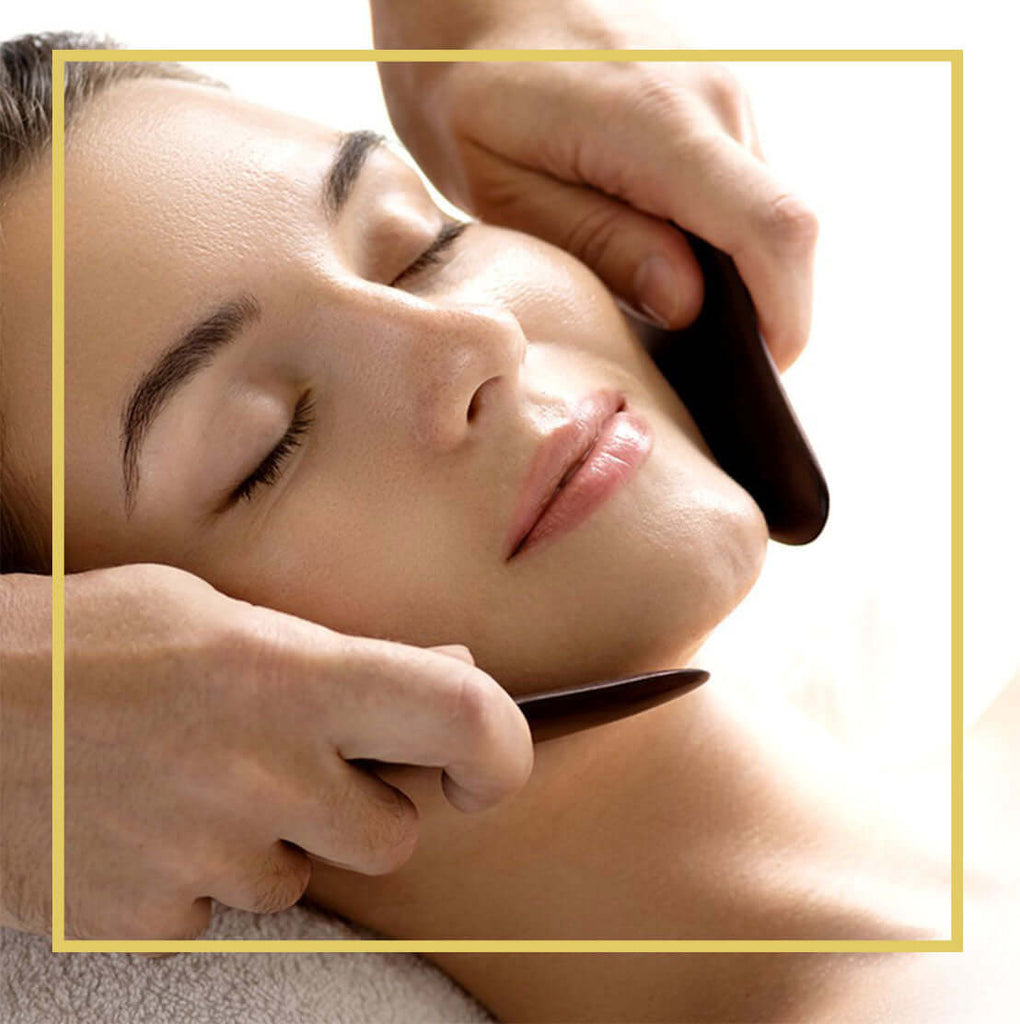
In Gua Sha Massage, a smooth edged tool is gently stroked across the skin to stimulate circulation and release stagnation in the body. The technique may create temporary redness known as petechiae, which indicates improved blood flow to the treated area.
Traditionally, Gua Sha has been used to help manage various conditions including:
- Muscle stiffness
- Chronic pain
- Respiratory congestion
- Poor circulation
- Fatigue and inflammation
The therapy works by encouraging the body to activate its natural healing responses.
The Philosophy Behind Gua Sha in Traditional Chinese Medicine
The Concept of Qi and Energy Flow
In Traditional Chinese Medicine, the body is believed to contain a vital life force called Qi (Chi). This energy flows through channels known as meridians, connecting organs and bodily systems.
When Qi becomes blocked or stagnant, it may lead to discomfort, illness, or fatigue. Gua Sha Treatment is designed to stimulate these meridians and restore the smooth flow of Qi throughout the body.
The practice reflects a holistic view of health, where physical, emotional, and energetic balance are closely interconnected.


8 Signs You Should Try Gua Sha Massage
Here are eight signs that might indicate it's time for you to explore the benefits of Gua Sha massage:
1. Chronic Muscle Pain
If you experience persistent muscle pain or stiffness, Gua Sha massage could be a beneficial remedy. The technique targets tight muscles and helps in breaking down tension, providing significant relief. Many people have reported success stories of reduced muscle soreness and increased mobility after regular Gua Sha massage sessions. More Information here
2. Frequent Headaches or Migraines
Suffering from frequent headaches or migraines? Gua Sha massage might help. The practice improves circulation and reduces muscle tension in the neck and shoulders, which can be linked to headache relief. Case studies have shown that Gua Sha massage can decrease the frequency and intensity of headaches, offering a natural alternative to medication.
3. Persistent Stress and Anxiety
If you’re dealing with high levels of stress and anxiety, Gua Sha massage can be a soothing addition to your wellness routine. The Gua Sha massage technique calms the nervous system and promotes relaxation, potentially reducing overall stress levels. When compared to other relaxation techniques, Gua Sha massage offers a unique approach that combines physical and mental benefits.
4. Poor Circulation
Signs of poor circulation, such as cold extremities or frequent numbness, might benefit from Gua Sha massage. By stimulating blood flow, Gua Sha massage can enhance circulation and address symptoms related to poor blood flow. Improved circulation can contribute to overall better health and energy levels.
5. Digestive Issues
Struggling with digestive problems? Gua Sha massage can aid in improving digestion by stimulating the abdominal area and enhancing blood flow to the digestive organs. Personal experiences indicate that regular Gua Sha massage sessions can help alleviate symptoms of digestive discomfort. Read more here
6. Respiratory Problems
Gua Sha massage has been used historically to address respiratory issues such as asthma and bronchitis. The technique can help relieve congestion and improve respiratory function. Evidence from both traditional practices and modern studies supports its effectiveness in managing respiratory conditions.
7. Skin Concerns
If you’re concerned about your skin health, Gua Sha massage can be beneficial. It improves skin tone, reduces puffiness, and minimizes wrinkles. For facial Gua Sha, using the tool with gentle pressure can enhance skin radiance and promote a youthful appearance.
8. Overall Wellness
Incorporating Gua Sha massage into your routine can contribute to overall wellness. Regular sessions can boost vitality, support emotional balance, and enhance physical health. Experts recommend Gua Sha treatment as a complementary practice to conventional health and wellness strategies.

How Gua Sha Massage Works
Stimulating Blood Circulation
The scraping motion used in Gua Sha Massage stimulates microcirculation in the skin and underlying tissues. Increased blood flow allows oxygen and nutrients to reach affected areas more efficiently.
Supporting Lymphatic Drainage
Gua Sha also supports the lymphatic system, which plays an important role in removing toxins and waste from the body.
Releasing Muscle Tension
The pressure applied during the massage helps relax tight muscles, reduce stiffness, and improve mobility.
Where to get Best Gus Sha Treatment? Click here
Key Benefits Of Gua Sha Massage

Physical Benefits
Reduces Muscle Tension:
Gua Sha Massage can alleviate muscle stiffness and discomfort, making it a popular choice for those suffering from chronic pain or tension.
Improves Circulation:
The scraping action helps to stimulate blood flow, enhancing oxygen and nutrient delivery to tissues.
Relieves Pain and Inflammation:
Gua Sha Massage is known for its anti-inflammatory

Skin Benefits
Improves Skin Radiance
By boosting blood circulation, Gua Sha delivers nutrients and oxygen to skin cells.
Reduces Puffiness
Facial Gua Sha supports lymphatic drainage, which helps reduce fluid retention around the eyes and cheeks.
Softens Fine Lines
Gentle massage movements stimulate collagen production, which may improve skin elasticity.
Enhances Facial Contours
Regular facial Gua Sha can help define the jawline and lift facial features naturally.

Mental and Emotional
Reduces Stress Levels
The rhythmic movements used during Gua Sha promote deep relaxation and calm the nervous system.
Improves Sleep Quality
Many people report better sleep patterns after incorporating Gua Sha into their wellness routines.
Promotes Emotional Balance
Relaxing body therapies such as Gua Sha help release accumulated stress and tension, which may improve overall mood.

How to Perform Gua Sha Treatment
To perform a gua sha treatment, cleanse your skin, apply a facial oil or lubricant, then use a gua sha tool at a 45-degree angle to gently stroke your skin in upward and outward motions, following the natural contours of your face, starting from the neck and moving towards the forehead, focusing on areas like the jawline, cheekbones, and under-eye area; repeat each stroke several times with light to medium pressure, and always move in the direction of lymphatic drainage; remember to clean your gua sha tool thoroughly after each use
Ready to give Gua Sha treatment a try? Here’s a step-by-step guide:
- Prepare Your Skin: Cleanse your face or the area to be treated, and apply a facial oil or serum to reduce friction.
- Choose Your Tool: Use a Gua Sha tool appropriate for your needs (jade, rose quartz, ox horn, bian stone etc.).
- Start Scraping: Hold the tool at a 45 degree angle and gently scrape it across the skin in upward and outward strokes.
- Follow with Moisturizer: After the session, apply a moisturizer to soothe the skin.
Can You Do Gua Sha Every Day?
The frequency of Gua Sha depends on the area being treated.
Facial Gua Sha
Facial Gua Sha can be performed daily using very light pressure.
Body Gua Sha
Body treatments are typically recommended two to three times per week, allowing the body time to recover between sessions.
Get the Best Body Gua Sha Massage and Best Facial Gua Sha Treatment here.
Gua Sha Tools
Types of Tools Available
Gua Sha tools come in various shapes and materials, including jade, rose quartz, and stainless steel. Each type has unique benefits and is chosen based on personal preference and skin type.
How to Choose the Right Tool
Consider factors like the material, shape, and size of the tool to find one that suits your needs. For facial Gua Sha, smaller tools with smooth edges are ideal.
Maintenance and Care
Clean your Gua Sha tool after each use with warm water and soap. Store it in a dry place to maintain its quality.
How to Choose the Right Gua Sha Tool
When selecting a tool, consider several factors.
- Material
- Shape and design
- Size for facial or body use
- Comfort during use
For facial treatments, smaller tools with curved edges allow better control around delicate areas such as the jawline and cheekbones. Read more here

DIY Gua Sha vs Professional Treatment
| Aspect | DIY Gua Sha | Professional Gua Sha Treatment | Pro | Cost-effective, convenient, and allows for daily practice. | Professional therapists have the training to apply the correct technique and pressure. Professional treatments may provide deeper therapeutic benefits, especially for chronic pain or severe muscle tension.. | Cons | Limited by self-application technique and may lack the depth of professional treatment. | Need to take time to travel to the professional salon for treatment | Benefits | Convenient and easy to perform at home. Affordable and accessible. Suitable for daily facial skincare routines. Helps reduce facial puffiness and improve circulation | Deeper therapeutic effect for muscle tension. Professional pressure control and technique. Ability to address specific health conditions. Integration with other Traditional Chinese Medicine therapies. |
|---|
How to Perform DIY Gua Sha at Home
A DIY Gua Sha routine can easily be incorporated into your skincare or wellness practice.
Step 1: Cleanse the Skin
Wash your face or the treatment area thoroughly.
Step 2: Apply Facial Oil or Serum
This reduces friction and allows the tool to glide smoothly.
Step 3: Hold the Tool at a 45 Degree Angle
Positioning the tool correctly ensures effective pressure without damaging the skin.
Step 4: Use Upward and Outward Strokes
Follow the natural contours of your face or body.
Step 5: Focus on Key Areas
Common treatment zones include:
- Jawline
- Cheekbones
- Under eye area
- Neck
Step 6: Repeat Each Stroke
Perform each motion about five to ten times with gentle pressure.
Conclusion About Gua Sha Massage
Gua Sha Treatment is a powerful yet simple therapy that bridges ancient wisdom and modern wellness practices. Through the use of carefully designed Gua Sha Tools, this traditional technique helps improve circulation, reduce muscle tension, support lymphatic drainage, and enhance skin health.
Whether practiced as DIY Gua Sha at home or experienced through professional Gua Sha Massage, the therapy offers a holistic way to restore balance to the body and mind. When practiced consistently and correctly, Gua Sha can become a valuable addition to any wellness routine, supporting both physical vitality and natural skin rejuvenation.
Find out the latest blogs, tips and news from our Health & Wellness Gallery here.

FAQ About Gua Sha Massage
Is Gua Sha Safe for Everyone?
Gua Sha is generally safe but consult a healthcare provider if you have specific health conditions or concerns.
How Often Should You Do Gua Sha?
For best results, practice Gua Sha 2-3 times a week.
What Should You Expect During a Gua Sha Session?
Expect a gentle scraping sensation followed by temporary redness. The session should be relaxing and soothing.
Can Gua Sha Be Combined with Other Treatments?
Yes, Gua Sha can complement other therapies. Consult with your practitioner to tailor treatments to your needs.
Disclaimer
This page is for educational and informational purposes only and does not constitute medical advice. Individual results may vary. Always consult a qualified healthcare professional for diagnosis or treatment of medical conditions.
